Fire Hydrant System Installation Services In Navi Mumbai, Thane
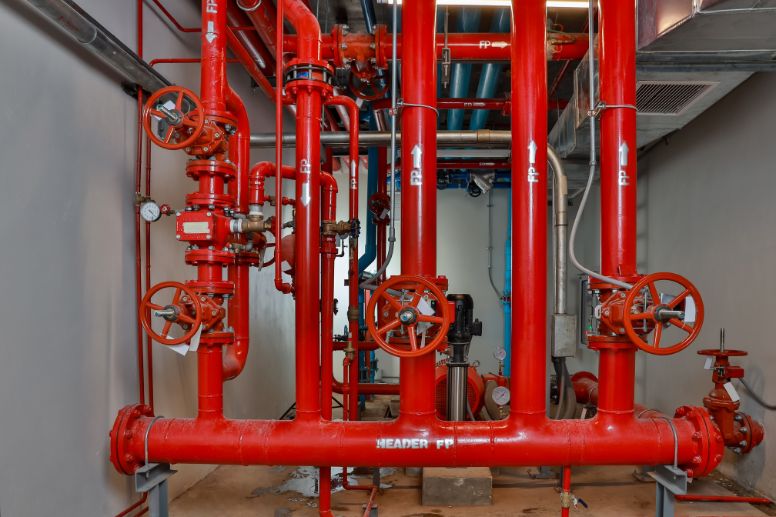
Hydrant System Installation Services are designed to provide reliable fire protection for commercial, industrial and institutional facilities. The work includes a full range of services required to design, supply, install, and test all components of a fire hydrant network in accordance with current and accepted fire safety standards. Each hydrant is configured with a wet riser system or a dry riser system based on factors such as height of the building, local authority requirements, and site-specific needs. Each fire hydrant installation is performed by a qualified fire hydrant contractor, who ensures that water can be discharged effectively from the hydrant at a stable pressure while integrating smoothly into the fire service system.
Yuraan Safety Technology places an emphasis on providing an organised post-installation support structure to ensure dependability and performance of the system over the long term. Fire hydrant maintenance services regularly conduct testing, inspections, and preventive maintenance to maintain the system in optimum condition and be ready for action at all times.
Components of Fire Hydrant System Installation Services
1.The Hydrant System Installation service will ensure that our customers always have a sufficient amount of water at the suitable pressure by installing both fire control panel systems and hoses and pumps.
2.The expertise of the Fire Hydrant Contractor will provide standoff piping systems connected both above and below ground. Locations for all building fire hose cabinets, landing valves, hydrant valves, hoses and nozzles must be chosen carefully in order to provide immediate access to them by firefighting personnel.
3.All buildings that are either high-rises or designated as having an emergency fire sprinkler system must provide Wet Riser and Dry Riser.
4.All Fire Hydrant Maintenance Services and Fire Hydrant AMC service providers design their system arrangements to facilitate the performance of inspections.
Types of Hydrant System
1.Wet Riser Hydrant System
For outdoor firefighting, an external hydrant system is placed around commercial and industrial buildings.
2.Dry Riser Hydrant System
Dry risers charge water only during emergencies; however, dry riser systems are part of the established underground fire hydrant AMC.
3.External Hydrant System
External fire hydrant systems are also installed on all commercial and industrial building types in order to provide an external source for fighting fires.
Advantages of Fire Hydrant System Installation Services
-
Fire Safety Compliance Improved: Using a professional hydrant contractor will help reduce compliance risk by helping to ensure that your company meets both Federal and Local Fire Safety Standards.
-
High-pressure Water Supply: With Systems that allow for both Wet Riser Systems and Dry Riser Systems, you are guaranteed a constant and adequate supply of water for firefighting.
-
Professional Planning / Implementation of Systems: Once an experienced Fire Hydrant Contractor has evaluated the facility, they will create a detailed Plan, then create a design before proceeding with the implementation of the Fire Hydrant System.
-
Long-term Performance Reliability: By scheduling and performing Fire Hydrant Maintenance and conducting scheduled inspections and performance assessments will preserve the optimal Performance of the Fire Hydrant System.
-
Reduced Work-stop Due to Emergencies and/or Repairs: Operational downtime during emergencies or hydrant system repairs is minimized through the availability of prompt emergency response services and dedicated technical support for the hydrant system.
Industries We Serve
1.The hydrant installation services are designed to meet the specific needs of manufacturing and industrial facilities.
2.Expert Fire Hydrant Contractors use engineered solutions to ensure that IT Parks and Commercial Buildings are protected.
3.Fire hydrant networks include Wet Riser System and Dry Riser System installations designed for extensive fire coverage. These types of networks protect large warehouses and logistics hubs.
4.Continued emergency service readiness is ensured through compliance; therefore, Fire Hydrant Maintenance Services are provided for hospitals and medical facilities.
Installation Process of Fire Hydrant System Installation Services
1.Survey the site and analyze the hazards to determine a plan for installing the Fire Hydrant System Service.
2.Creation of the configuration and design of the system layout is completed, including any necessary integration with the Wet Riser System and Dry Riser System.
3.Pipes, valves, hydrants, and pumps have been installed by an approved Fire Hydrant Contractor, using the approved drawings.
4.All above ground and underground pipelines that will deliver water must be installed, supported and secured to assure reliable distribution.
5.Completion of testing and commissioning will ensure that the Fire Hydrant System is ready for use in an emergency.
Why Select Yuraan Safety Technology for Fire Hydrant System Installation Services?
Yuraan Safety Technology's industry leading approach and standards based product compliance make Yuraan Safety Technology the best choice for fire hydrant system installation in Mumbai, Navi Mumbai & Thane. Yuraan safety technology’s fire hydrant contractors provide complete hydrant system solutions from design to installation, along with all required authorised materials to meet needs. We address all the requirements of both Dry Riser System & Wet Riser System for industrial and commercial facilities.
In addition to the scheduled maintenance services, We have customised fire hydrant AMC services for continual operational readiness & regulatory compliance. Yuraan Safety Technology guarantees the safety of your fire hydrant system.
FAQS
1.What are the steps to install a fire hydrant system?
In order to ensure that a fire hydrant system is installed correctly and will provide a reliable means for the local emergency services to respond in an emergency, all installation procedures must be performed in accordance with the Fire Safety Code.
2.What factors are considered in designing a fire hydrant system?
Site layout, the results of the risk assessment, the minimum water supply requirements, and other relevant factors will help to achieve the maximum possible coverage of the fire hydrant system.
3. How is the fire hydrant system tested after installation?
The fire hydrant system will be tested following installation to confirm flow pressure, pump efficiency, and overall operational capability.
4. Will a maintenance instruction schedule be provided after the installation?
A maintenance schedule will be developed to ensure long-term reliability and conformance with the applicable laws and regulations.